


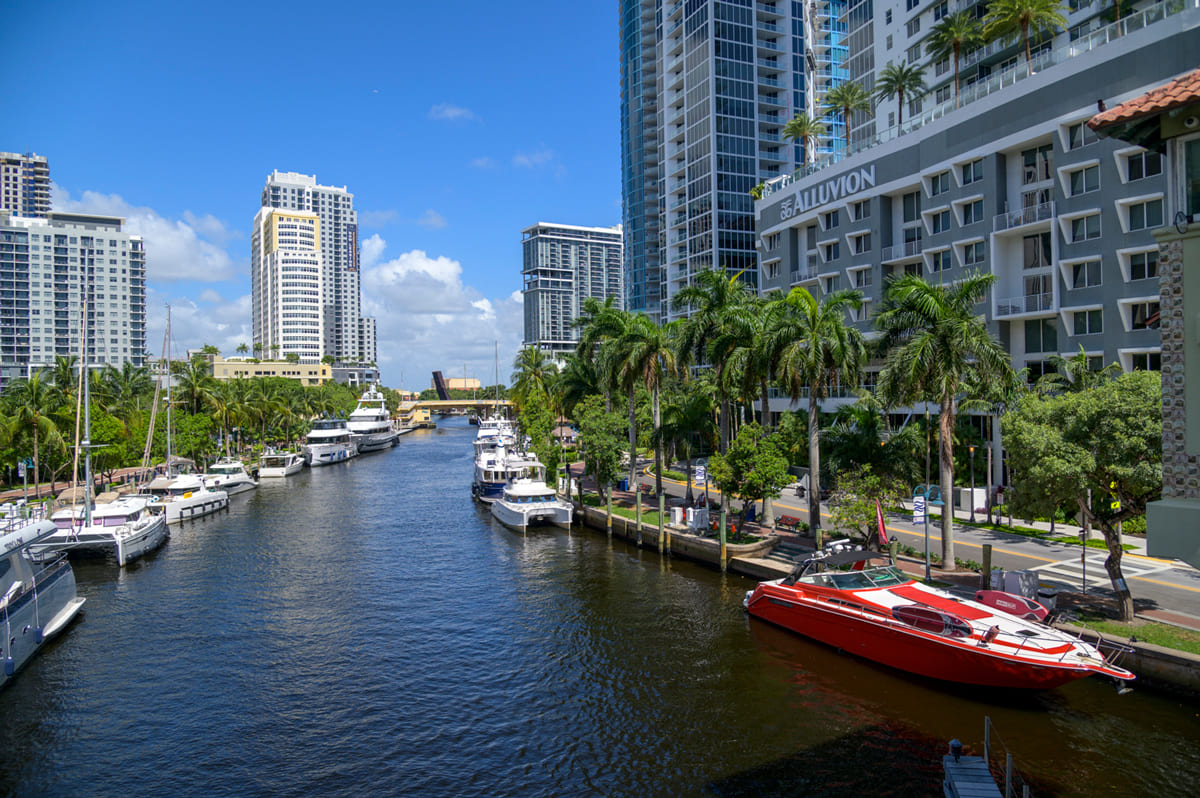
Living in Fort Lauderdale means having the Atlantic Ocean, scenic waterways, and a lively urban environment within easy reach. Located between Miami and Palm Beach, this South Florida city combines beachside recreation with established residential neighborhoods, cultural attractions, and a diverse dining scene.
Known as the “Venice of America” for its extensive canal system, Fort Lauderdale attracts year-round residents, seasonal homeowners, professionals, and international buyers. But beyond the appealing coastal setting, what is everyday life really like?
From neighborhood character and outdoor activities to transportation and practical considerations, here is what you should know about making Fort Lauderdale your home.
What Is It Like Living in Fort Lauderdale?
Fort Lauderdale offers a distinctive combination of coastal relaxation and metropolitan convenience. Its atmosphere changes considerably depending on where you live, from walkable downtown streets to quiet residential communities and oceanfront neighborhoods.
Fort Lauderdale’s warm subtropical climate creates an inviting setting for outdoor living throughout the year. Abundant sunshine and pleasant winter temperatures make it an ideal destination for enjoying beautiful beaches, waterfront dining, boating, and an active coastal lifestyle.
Residents can enjoy an active lifestyle without sacrificing access to urban amenities. Restaurants, shopping districts, museums, performance venues, and recreational facilities contribute to a city that offers considerably more than its well-known beaches.
For those relocating from larger metropolitan areas, Fort Lauderdale may provide a different daily rhythm, particularly in neighborhoods where waterfront recreation and neighborhood restaurants are part of everyday life.
For those considering living in Fort Lauderdale, the city offers a welcoming combination of coastal recreation, cultural attractions, and everyday conveniences. From public parks and waterfront promenades to community events and recreational facilities, residents have access to a wide range of activities throughout the year. The City of Fort Lauderdale’s official website provides useful information about local services, neighborhood resources, and opportunities to explore the city beyond its famous beaches.
For homeowners seeking additional convenience, certain luxury residential developments combine private living with personalized hospitality. At Bahia Mar, the planned St. Regis residential services reflect this approach, bringing attentive assistance and concierge experiences into everyday coastal living.
Beaches, Boating, and Outdoor Living
Access to the water is one of Fort Lauderdale’s defining characteristics. Whether you prefer swimming, sailing, walking, or simply spending time outdoors, the city offers numerous opportunities to enjoy its coastal environment.
Waterfront developments such as The St. Regis Resort & Residences, Bahia Mar, Fort Lauderdale are designed to bring these experiences closer to home. Its resort-style amenities are planned to include marina access, swimming pools, wellness facilities, and an exclusive, full-service St. Regis Beach Club, reflecting Fort Lauderdale’s close relationship with the water.
Fort Lauderdale Beach and Everyday Recreation
Fort Lauderdale Beach is known for its broad sandy shoreline, landscaped promenade, and distinctive beachfront architecture.
Residents enjoy swimming, morning walks, cycling, and dining at nearby restaurants. The waterfront promenade provides an attractive setting for exercise, while public beach access makes the coastline available beyond the city’s hotels and resorts.
Nearby, Hugh Taylor Birch State Park offers another outdoor experience, with shaded trails, recreational activities, and natural landscapes close to the ocean.
These destinations allow residents to alternate between the energy of the beachfront and quieter natural surroundings.

Canals, Marinas, and Waterfront Activities
Fort Lauderdale’s waterways play an important role in its identity.
The Intracoastal Waterway, New River, and extensive canal network support a longstanding boating culture. Marinas, yacht services, sailing opportunities, and waterfront restaurants make boating an integral part of local life.
For boat owners, proximity to navigable waterways can influence residential preferences. Others simply appreciate the atmosphere created by passing yachts, waterfront promenades, and restaurants overlooking the water.
Annual events such as the Fort Lauderdale International Boat Show further reinforce the city’s connection to the marine industry.
Neighborhoods and Local Lifestyle
Choosing where to live in Fort Lauderdale depends on personal priorities, particularly walkability, proximity to the beach, residential character, and transportation needs.
Las Olas and Downtown Fort Lauderdale offer a lively urban environment with restaurants, boutiques, offices, galleries, and cultural attractions. The Riverwalk area provides opportunities to enjoy the New River while remaining close to downtown amenities.
Victoria Park is an established residential neighborhood featuring tree-lined streets, a mixture of housing styles, and convenient access to central Fort Lauderdale.
Rio Vista, located south of the New River, is known for its residential streets, mature landscaping, and waterfront properties. It appeals to those seeking a quieter setting near downtown.
Fort Lauderdale Beach and the surrounding coastal neighborhoods offer convenient access to the Atlantic Ocean, beachfront restaurants, and outdoor recreation. Housing options range from condominiums to private waterfront residences.
Each neighborhood has a distinct personality, making it worthwhile to explore different areas before choosing a permanent or seasonal home.
For those considering a waterfront address, Bahia Mar offers a distinctive setting between the Atlantic Ocean and the Intracoastal Waterway. Its prime Fort Lauderdale location provides convenient access to the beach, Las Olas Boulevard, and the city’s renowned boating culture.
Dining, Culture, and Entertainment in Fort Lauderdale

While Fort Lauderdale is internationally recognized for its beaches and boating, its cultural and culinary offerings contribute significantly to everyday life.
Las Olas Boulevard is a central destination for restaurants, cafés, boutiques, and galleries. Its mix of establishments makes it popular for casual lunches, evening dining, and social gatherings.
The city’s restaurant scene extends well beyond Las Olas, with waterfront dining, international cuisine, and neighborhood establishments throughout the area.
Cultural attractions include the NSU Art Museum Fort Lauderdale, known for its exhibitions and contemporary art collections, and the Broward Center for the Performing Arts, which hosts theater, concerts, dance, and other performances.
Along the New River, Riverwalk connects parks, cultural destinations, and public spaces, offering an appealing alternative to the beachfront for walking and leisure.
Throughout the year, festivals, exhibitions, performances, and community events provide opportunities to experience the city’s cultural diversity.
Practical Considerations Before Moving to Fort Lauderdale
Although Fort Lauderdale offers an attractive coastal lifestyle, prospective residents should consider several practical aspects before relocating or purchasing property.
Transportation and Connectivity
Fort Lauderdale-Hollywood International Airport provides domestic and international connections, making the city convenient for frequent travelers and seasonal residents.
Brightline and Tri-Rail offer rail connections within South Florida, while major highways link Fort Lauderdale with Miami, Palm Beach County, and surrounding communities.
Walkability varies significantly by neighborhood. Downtown and portions of Las Olas are relatively pedestrian-friendly, but having a car remains useful for many everyday activities.
Traffic congestion can be noticeable during peak commuting periods and major events, particularly along principal roads and routes connecting the mainland with the beach.
Cost of Living, Weather, and Seasonal Considerations
Housing costs vary according to neighborhood, property type, waterfront access, and available amenities.
Prospective homeowners should consider the full cost of ownership, including property taxes, insurance, maintenance, and condominium association fees where applicable.
Florida’s warm climate is a major attraction, but summers can be humid, and the Atlantic hurricane season extends from June through November.
These considerations are particularly important when evaluating waterfront homes and condominiums.
Is Fort Lauderdale a Good Place to Live?

For people who appreciate coastal recreation, boating, cultural amenities, and proximity to major South Florida destinations, Fort Lauderdale offers a compelling residential environment.
Its principal advantages include access to beaches and waterways, diverse neighborhoods, a well-established dining scene, and convenient regional connections.
However, the city may be less suitable for those seeking a consistently walkable environment, mild summers, or lower housing and insurance costs.
Ultimately, the experience of living in Fort Lauderdale depends on choosing a neighborhood and property that reflect individual priorities.
Visiting during different seasons and exploring residential areas beyond the main tourist destinations can provide a more complete understanding of the city.
Experience Waterfront Living at The St. Regis Resort & Residences, Bahia Mar, Fort Lauderdale
For those considering a waterfront residence, The St. Regis Resort & Residences Bahia Mar, Fort Lauderdale offers a distinctive perspective on the city’s coastal character.
Positioned between the Atlantic Ocean and the Intracoastal Waterway, the development is designed to bring together private residences, resort hospitality, marina facilities, and convenient access to Fort Lauderdale Beach.
Its planned residential experience reflects many of the qualities that make Fort Lauderdale attractive: proximity to the ocean, access to boating, personalized hospitality, and connections to the city’s restaurants and cultural destinations.
Explore The Private Residences and discover more about the development’s waterfront location.
Discover The St. Regis Resort & Residences Bahia Mar Fort Lauderdale and request information about the residences and their planned amenities.


 ORAL REPRESENTATIONS CANNOT BE RELIED UPON AS CORRECTLY STATING REPRESENTATIONS OF THE DEVELOPER. FOR CORRECT REPRESENTATIONS, MAKE REFERENCE TO THIS BROCHURE AND THE DOCUMENTS REQUIRED BY SECTION 718.503, FLORIDA STATUTES, TO BE FURNISHED BY A DEVELOPER TO A BUYER OR LESSEE.